
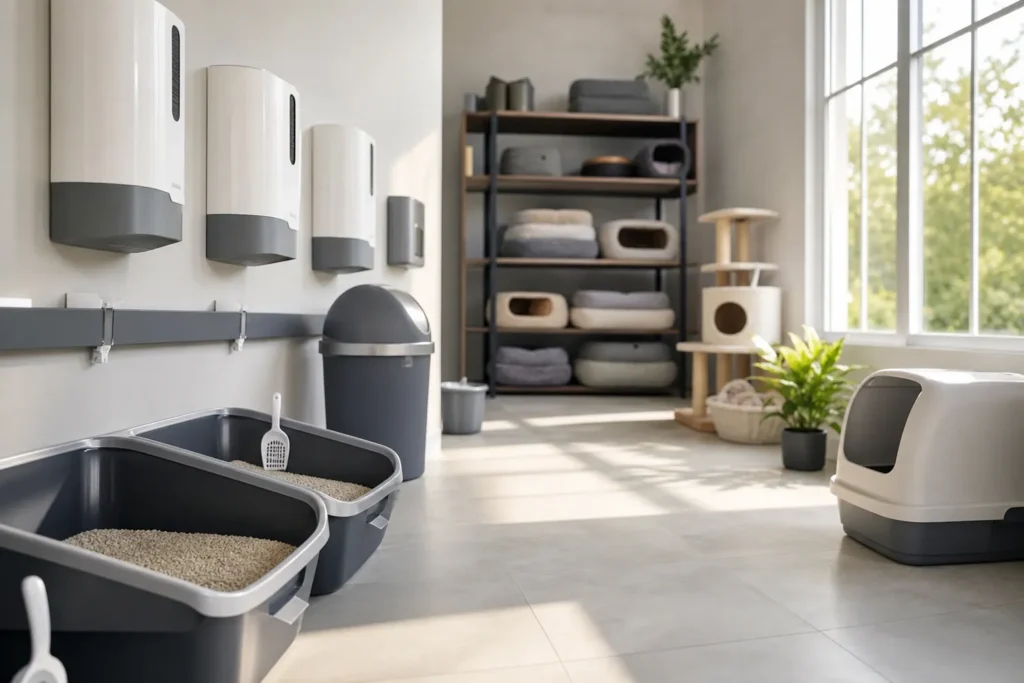
Choosing the Right Cat Litter Management Solutions for Pet Facilities
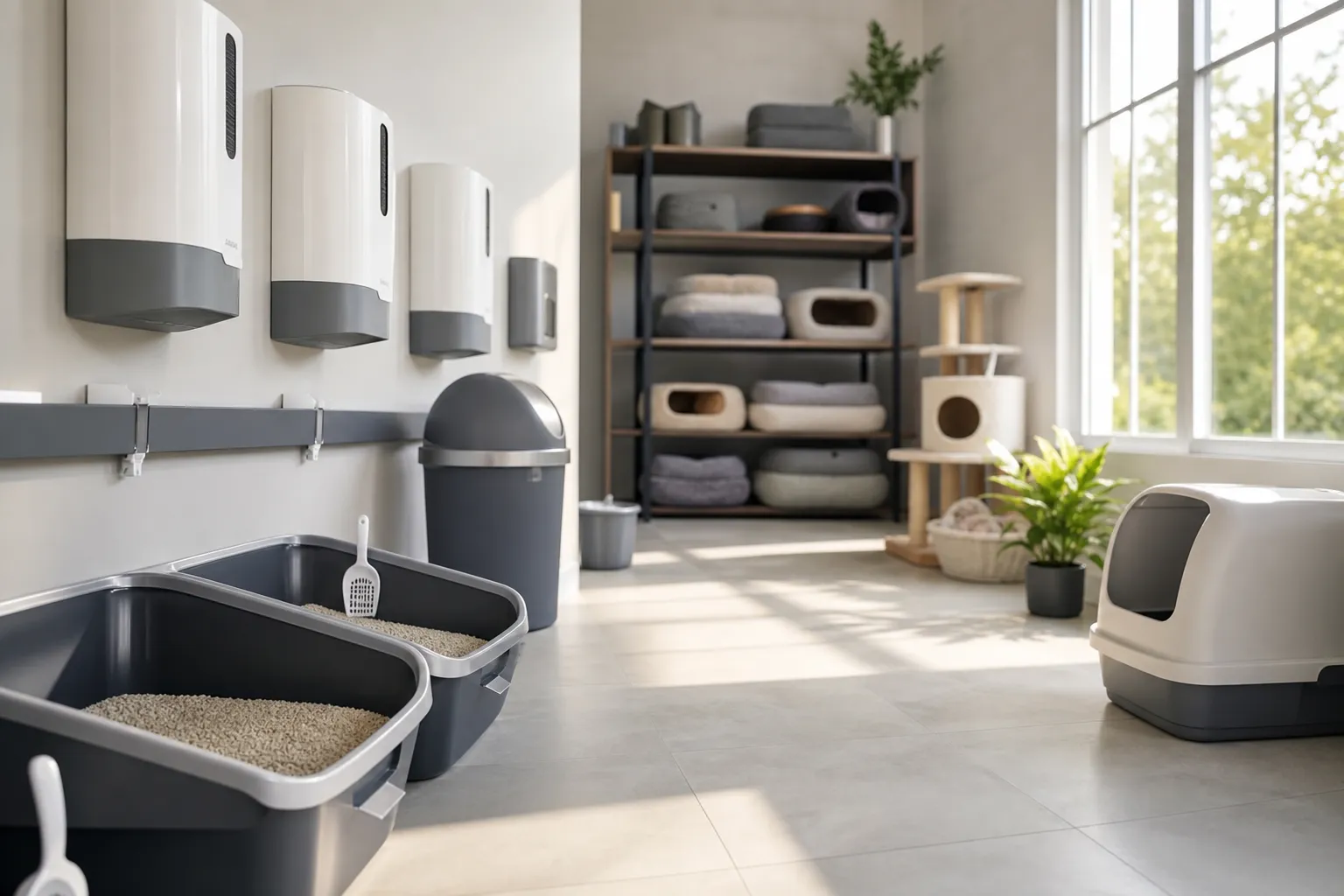
Effective cat litter management is vital for maintaining a clean and healthy environment in pet care facilities. Proper management not only ensures the well-being of the cats but also enhances the overall experience for staff and visitors. With the increasing number of pet owners and the rising demand for quality pet care services, understanding the nuances of cat litter management has become an essential aspect of pet care essentials.
In pet care facilities—whether they are shelters, veterinary clinics, or boarding services—cat litter management plays a pivotal role. It contributes to hygiene, odor control, and the overall comfort of the animals. Therefore, selecting the right litter management solutions can significantly impact the operational efficiency and reputation of a pet care facility.
Key Specifications for Cat Litter Management Solutions
When selecting cat litter management solutions, several key specifications must be considered:
- Types of Cat Litter: There are various types of cat litter available, including clumping, non-clumping, biodegradable, and crystal litters. Each type has unique properties that cater to different needs. Personally, I find that clumping litters are often preferred for their ease of cleaning, while biodegradable options appeal to environmentally conscious facilities.
- Litter Box Design Considerations: The design of the litter box itself can greatly influence litter management. Factors such as size, depth, and accessibility are important. For instance, high-sided boxes may help contain litter, while low-entry designs are better for kittens or older cats.
- Waste Disposal Options: Efficient waste disposal methods are essential for maintaining hygiene. Facilities should consider scoopable litter options that allow for easy removal of waste, as well as systems that facilitate disposal, such as waste bags or automatic litter boxes that simplify the process.
Use Cases in Pet Care Facilities
Different types of pet care facilities have unique requirements for cat litter management:
- Multi-Pet Environments: In facilities that house multiple cats, such as boarding kennels or cat cafes, it is important to have a robust litter management system to handle increased waste and odors. From my experience, regular cleaning schedules and strategically placed litter boxes can help maintain a pleasant environment.
- Shelters and Rescue Organizations: Shelters often face challenges related to high turnover and varying cat populations. Implementing a flexible litter management system that can adapt to changing needs is vital. This may include using cost-effective, easy-to-clean litter options that can be quickly replaced as cats are adopted or brought in.
- Veterinary Clinics: In veterinary settings, cleanliness is paramount. Cat litter management solutions should prioritize hygiene and ease of cleaning, ensuring that litter boxes are sanitized regularly to prevent the spread of disease.
Comparing Cat Litter Management Solutions
When evaluating cat litter management solutions, it’s essential to compare traditional versus modern options:
- Traditional vs. Modern Solutions: Traditional litter boxes and clay litters are commonly used, but modern solutions such as self-cleaning litter boxes or automated waste disposal systems are gaining popularity. These innovations can reduce labor and improve sanitation.
- Cost Analysis of Different Options: Budget considerations are always a factor. While traditional litters may have lower upfront costs, modern solutions can lead to savings in labor and waste disposal over time. Conducting a thorough cost analysis is essential for making informed decisions.
- Environmental Impact Considerations: With growing awareness of environmental issues, many facilities are opting for sustainable litter options. Biodegradable litters made from natural materials can reduce waste and appeal to eco-conscious clients.
Sourcing Cat Litter Management Products
Finding reliable suppliers is critical for effective cat litter management:
- Evaluating Suppliers: Facilities should look for suppliers that offer a range of litter options and have a reputation for quality. Reading reviews and requesting samples can aid in the selection process. For more information on quality pet products, visit Products – Yiwu Miao Jinying Pet Products Co., Ltd..
- Bulk Purchasing Benefits: Buying litter in bulk can lead to significant cost savings. Facilities can negotiate better pricing and ensure they have a consistent supply, minimizing disruptions in service.
- Quality Assurance Practices: It’s important to establish quality assurance practices when sourcing litter products. Regularly reviewing supplier performance and product quality can help maintain high standards in litter management.
Implementation Strategies for Pet Care Facilities
Once the right products are chosen, implementing effective strategies is key:
- Training Staff on Litter Management: Staff should be trained on the importance of litter management and best practices for maintaining cleanliness. This includes proper scooping techniques and the frequency of litter changes.
- Setting Up Litter Stations: Strategically placing litter stations throughout the facility can encourage usage and improve cleanliness. Ensuring each station is well-stocked and easily accessible is crucial.
- Monitoring and Adjusting Practices: Regular monitoring of litter management practices can identify areas for improvement. Facilities should be open to adjusting their methods based on feedback and observations.
Frequently Asked Questions
- Common Concerns About Cat Litter Management: Facilities often worry about odors and cleanliness. Regular maintenance and choosing the right litter can mitigate these concerns. For further insights, refer to this industry reference.
- Troubleshooting Common Issues: If cats refuse to use the litter box, it may be due to the type of litter or box design. Experimenting with different options can help resolve these issues.
- Best Practices for Maintenance: Establishing a routine for cleaning and changing litter, along with staff accountability, is essential for maintaining high standards in cat litter management.
In conclusion, choosing the right cat litter management solutions is vital for pet care facilities. By understanding the various options available and implementing effective strategies, facilities can enhance their operations and provide a better environment for the cats in their care.